


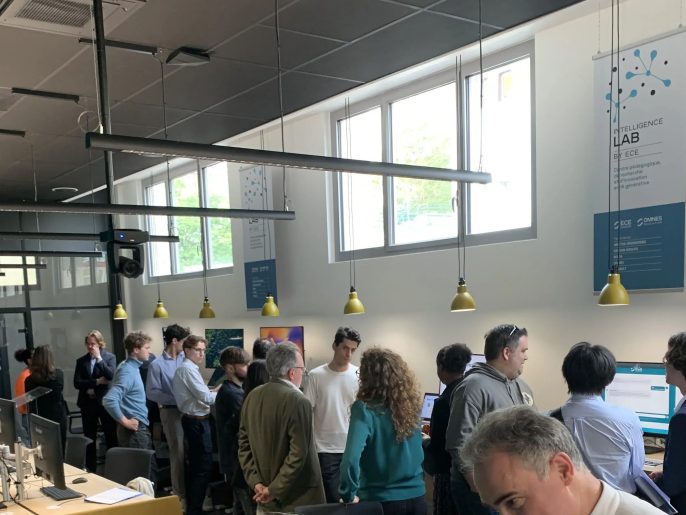
At ECE, artificial intelligence is not just a current topic; it is a concrete educational reality. Through concrete projects, student innovations, and tailored support, the school is emerging as a key player in the digital transformation of higher education.
A strong ambition: train
100% of students in AI by 2025
Starting from the 2025-2026 academic year, all ECE students—from the bachelor’s to the Grande École program—will benefit from comprehensive training in artificial intelligence. The aim is to make AI a basic skill for every engineer trained at ECE.
9 majors in the engineering program will include up to 200 hours dedicated to this technology. The Bachelor and MSc programs will also be enriched, with a similar volume integrated directly into the educational frameworks. Students will learn to use generative AI in their work, manipulate the latest tools (prompt engineering, no code, data science…) and develop a critical stance on these technologies.
The Intelligence Lab: an accelerator for concrete projects
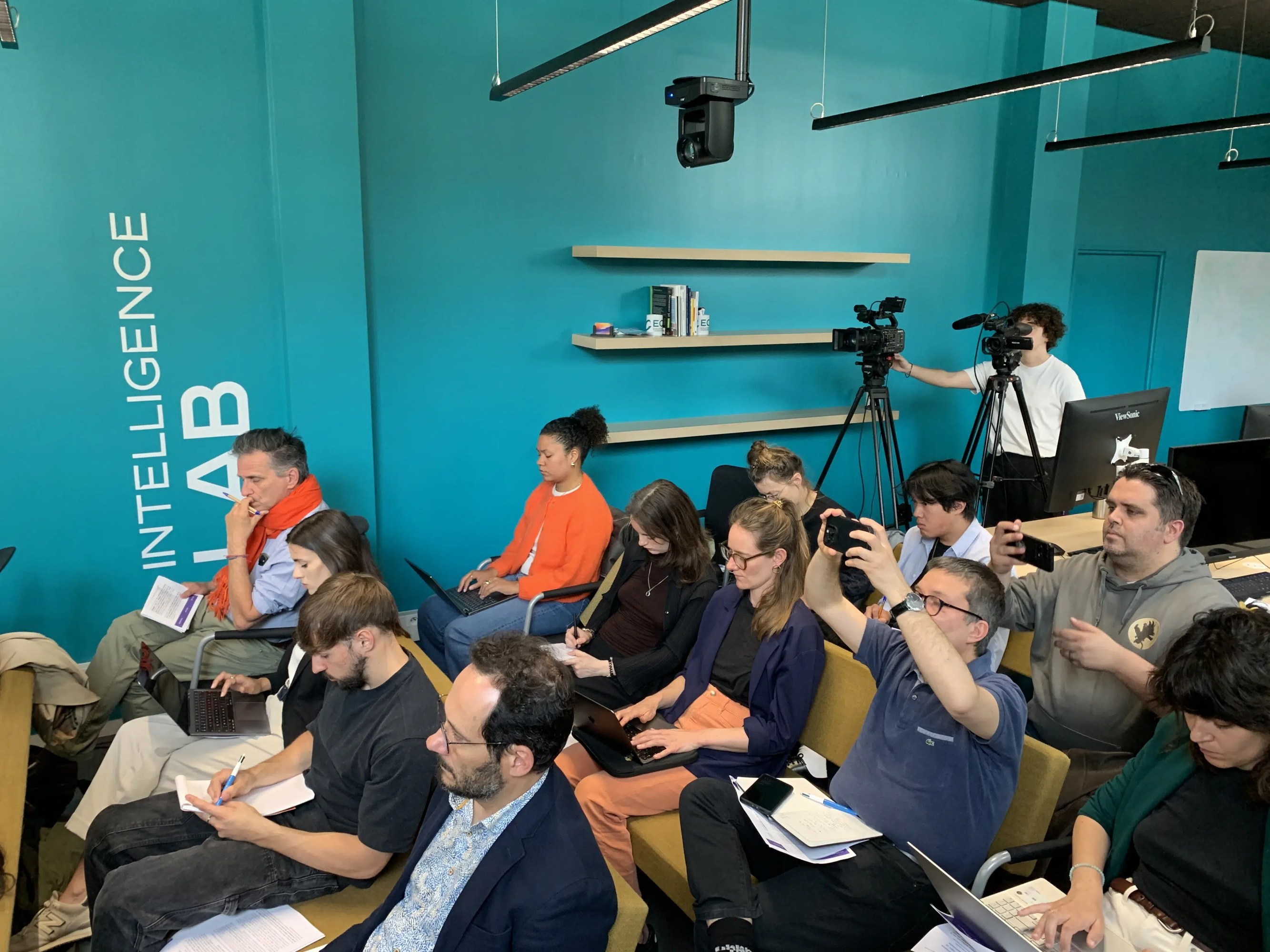
At the heart of the pedagogical innovation of the school, the Intelligence Lab at ECE allows students to experiment and create AI solutions in real conditions.
Within this framework, a conversational agent that is both vocal and visual has been designed in the image of the director of ECE, Françoise Stephan, to answer candidates’ questions. This project, led by Martin Bouvet, a fourth-year student, demonstrates how students can be fully engaged in the digital transformation of their school.
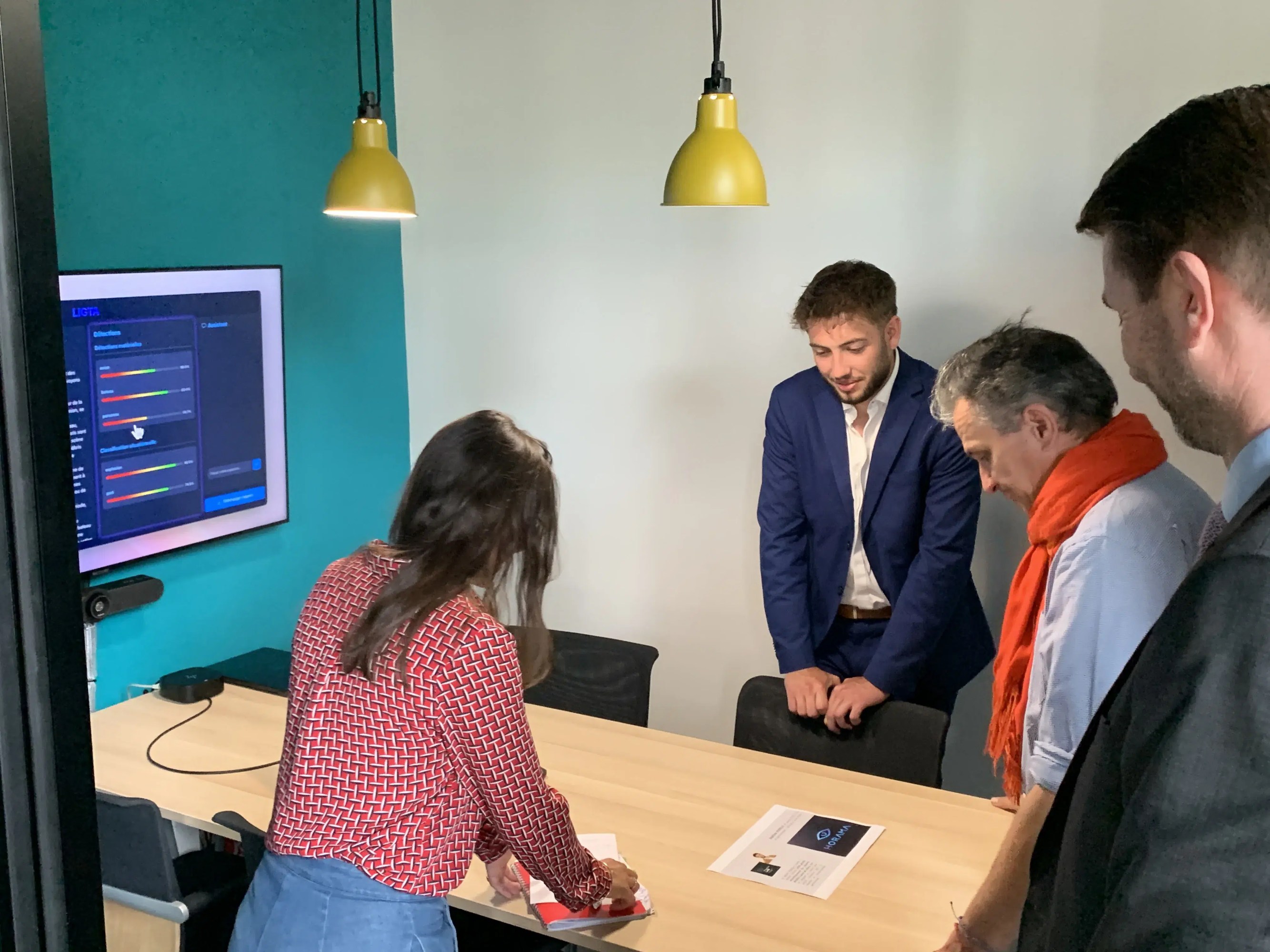
Another emblematic example: the project Ligta, a visual analysis software developed by Baptiste Huvelle, a student specializing in Defense and Technology. Initially designed for military use, the software has given rise to a startup named Horama, which is now expanding its application to other sectors such as construction and space observation.
An immersive and professionalizing pedagogy
Artificial intelligence will be integrated into the daily lives of students starting from their entry into school. Everyone will participate in AI Battles, educational hackathons designed around real cases from partner companies. This immersion in real market issues reinforces the professional approach of ECE.
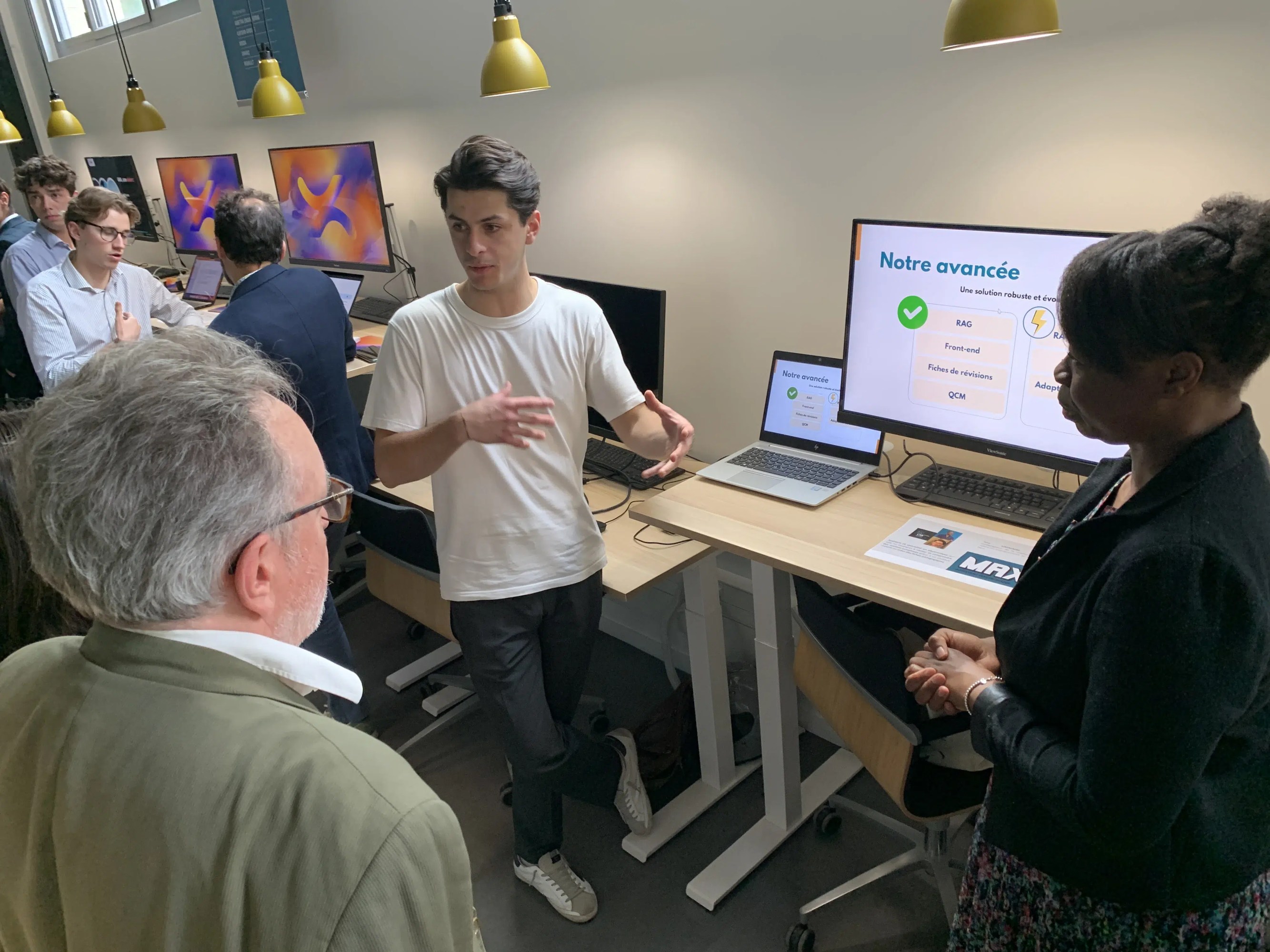
At the same time, a virtual pedagogical coach based on AI, currently in the testing phase in other schools in the group, will enrich the support for students. This digital companion will offer summaries, advice, and exercises to adapt learning at each individual’s pace.
A research and innovation hub to rethink training in AI
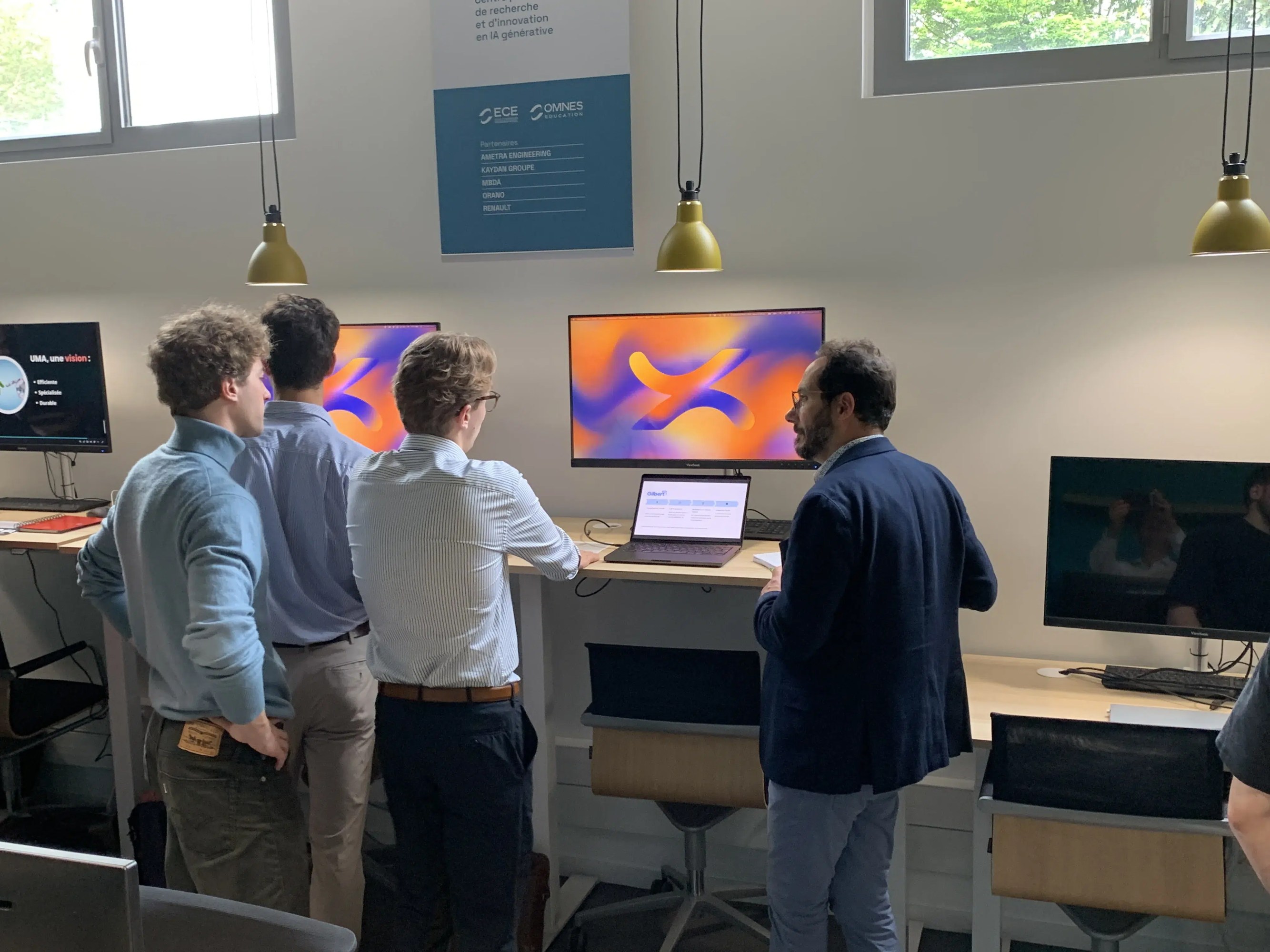
To go further, ECE will open in 2025 a research and innovation hub dedicated to applied AI in pedagogy. This project aims to explore new learning models integrating AI, as well as to promote collaborations with the economic world.
This hub will allow for stimulating the funding of innovative projects, building tailor-made tools for students, and feeding the academic reflection on education enhanced by artificial intelligence.
A responsible, sovereign, and energy-efficient AI
All of these projects are part of a logic of technological sovereignty. The ECE will benefit from an open-source AI tool developed by 2025, named Omn’IA, designed with French partners and optimized for low energy consumption. This in-house AI will serve both students and teaching teams in content design, curriculum management, and service optimization.