


Specialization
Master of Science in Energy Transition
The Master of Science in Energy Transition from ECE prepares you to tackle the most urgent challenges of our time. Renewable energies, smart grids, energy management: choose a career with impact, serving a decarbonized future.
- Obtain a Master of Science Bac +5 CGE
- Master the technical, regulatory, and managerial challenges
- Join key players in the sector

jobs in the energy transition in France, up 24% in two years
billion euros, revenue of the energy transition sector in France in 2022
jobs in renewable energies in France
gross/per year on average for an energy efficiency engineer
Accelerate the energy revolution
What is the Master of Science in Energy Transition program ?
The climate emergency creates unprecedented opportunities
The reduction of fossil energies, the sustained rise in global demand, and the carbon neutrality goals for 2050 require a profound transformation of our energy systems. This upheaval is creating a massive demand for professionals capable of designing, deploying, and managing the energy solutions of tomorrow.
In France, traditional players in the sector (TotalEnergies, EDF, ENGIE), as well as new entrants, are actively recruiting profiles trained in energy transition in all its complexity. The market reached 113 billion euros in revenue in 2022, with over 420,000 jobs recorded, an increase of 24% in two years.
- A rapidly growing market, driven by global climate goals.
- Historic players and new entrants actively searching for talent.
- Needs covering all links in the energy chain.
A comprehensive training for complex challenges
A Master of Science in Energy Transition cannot be limited to technical aspects. Energy issues are also political, economic, and social. The MSc in Sustainable Energy Futures at ECE is based on a multidisciplinary approach, merging sciences and technologies with the humanities and social sciences (political science, economics) to train well-rounded professionals.
You learn to understand the impact of the energy sector on international relations, to master regulation mechanisms, and to anticipate major regulatory developments. This holistic view sets you apart from purely technical profiles in the job market.
- Mastery of the scientific and technical aspects of energy production, transportation, and storage.
- Understanding of regulation mechanisms and energy policies.
- Analysis of the sector’s impact on international relations.
- Anticipation of regulatory developments and new challenges in the sector.
Smart grids, control-command, and sensor networks
The core of the ECE Master of Science in Energy Transition lies in the design and implementation of intelligent systems for energy infrastructure management.
You master cutting-edge control-command techniques, sensor networks, and information systems dedicated to the energy sector.
These skills allow you to manage large-scale consumption, optimize storage, and design smart grids capable of integrating intermittent renewable energy sources. In a world where the flexibility of electrical networks is a strategic issue, these areas of expertise are among the most sought after in the sector.
- Designing and deploying intelligent energy management systems.
- Mastery of control-command techniques and sensor networks.
- Designing smart grids that integrate renewable energies.
- Managing and optimizing large-scale energy consumption.
From the design office to project management
A Master of Science in Energy Transition prepares you to design production infrastructures in a design office: photovoltaic, thermal solar and thermodynamic, wind, hydraulic, marine power, geothermal, and methanization.
You size large-scale projects and master the technical, regulatory, and economic constraints of each sector.
Beyond engineering, you develop the skills of an energy manager: energy procurement, legal and financial aspects, project management, negotiation, and communication. This dual expertise makes you a rare profile, capable of taking on cross-functional responsibilities from the early years of your career.
- Design of photovoltaic, wind, hydraulic, and geothermal infrastructures.
- Sizing of renewable energy projects in a design office.
- Energy procurement, regulatory, and financial aspects of the transition.
- Project management, negotiation, and leading multidisciplinary teams.
Our Trainings
The Master of Science in Energy Transition at ECE
Campus
-
- 3rd year undergraduate
- 4- Year Degree
MSc CGE Sustainable Energy Future

An internationally recognized label
This program benefits from the MSc label, created by the Conference of Grandes Écoles.
International careers
Validated skills
Job-ready
The professions
The job opportunities of a Master of Science in Energy Transition
With a dual technical and managerial expertise, you are targeting impactful positions in the most active companies and institutions in the sector.
Study in the heart of a large city in France
Campus of Paris
Study in the heart of the capital
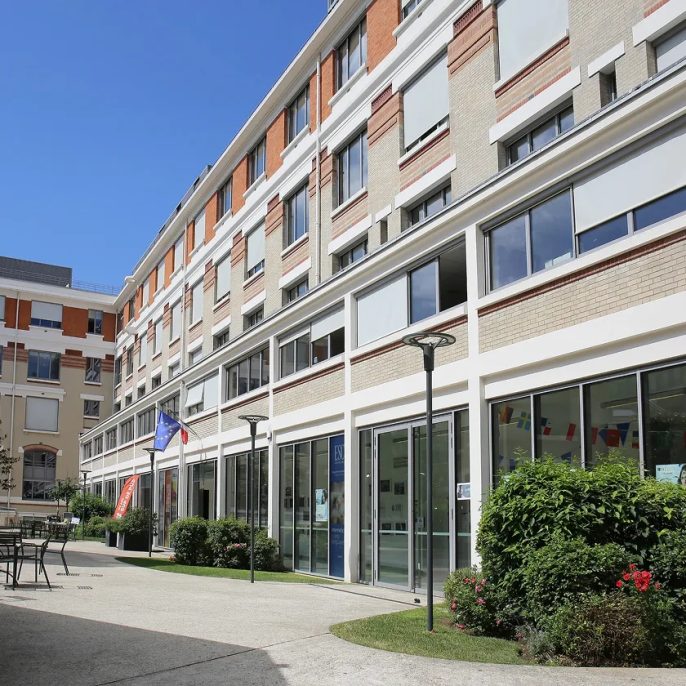
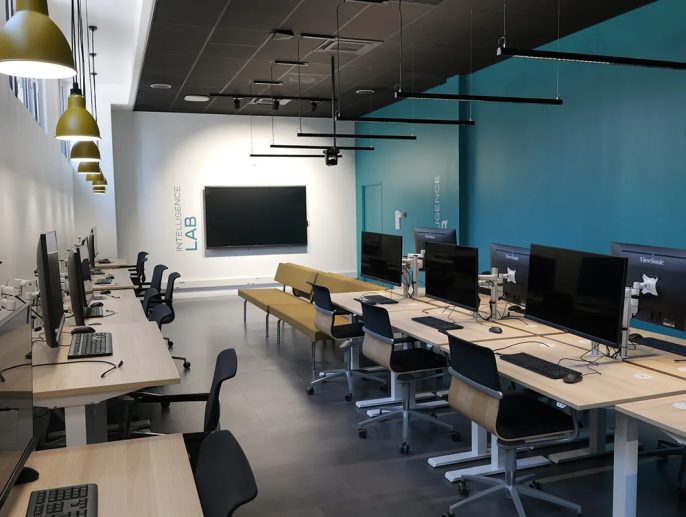
Discover our engineering school in Paris: a campus in the heart of the capital, training in AI and Data for a unique student life.

The most comprehensive training offer from Bac to Bac+3
Our Master of Science specializations

Master of Science IA & DATA
From algorithms to deployment, from business strategy to embedded AI: build the expertise that organizations around the world are looking for.
3 programs

Master of Science Cybersécurité
From strategic risk management to digital sovereignty: choose your area of expertise and become the professional that organizations around the world are looking for.
1 program

Master of Science International
The international Masters of Science at ECE open doors to a borderless career. Eight cutting-edge specializations, taught in English, to build your expertise where the world needs it most.
1 program
Meet us
Our events
Campus
-
14/10
Soirée Portes Ouvertes – ECE – Rennes – mercredi 14 octobre 2026
-
14/10
Soirée Portes Ouvertes – ECE – Bordeaux – 14/10/2026
-
17/10
Portes Ouvertes
FAQ
Questions?
Are you considering the Master of Science in Energy Transition at ECE and have questions? Admissions, program, career opportunities, student life: everything is gathered here. Our team is available to discuss with you.
Discover our programs in Energy Transition
These two programs share the same theme, but target different profiles and objectives. The Engineering Cycle in Energy Transition is a major of the engineering program at ECE, accessible in the 4th year for students already enrolled in the engineering curriculum, full-time only, and taught in French.
The Master of Science in Energy Transition, the MSc Sustainable Energy Futures, is an independent program at the Bac +5 level, taught entirely in English. It is particularly suited for profiles looking to specialize quickly, for international students, and for candidates transitioning to careers in energy.
Both programs confer a diploma recognized at the Bac +5 level and open similar opportunities in the energy sector.
Yes. The MSc Sustainable Energy Futures is taught entirely in English, which directly prepares each student to thrive in international professional environments. A TOEIC level of B2 is required upon entry, whether you join the program in the 1st year or the 2nd year.
This language requirement ensures a consistent quality of teaching and promotes enriching exchanges among students from diverse backgrounds and countries. ECE welcomes profiles from all over the world in its MSc programs, enhancing the international dimension of each cohort and the richness of collective learning.
No, not necessarily. The Master of Science in Energy Transition at ECE is open to all students from a scientific and technical background at Bac +3 or Bac +4 level. A university profile from a scientific degree, a BUT, or an equivalent training is perfectly suitable. University remains a natural pathway to the program.
What matters most is your aptitude for energy and environmental challenges, your proficiency in English at B2 level, and your motivation to build a career with impact. ECE evaluates each application individually to ensure the coherence of the professional project with the requirements of the program.
Yes. Carbon neutrality by 2050 is one of the guiding themes of the core content of the MSc Sustainable Energy Futures. The program trains students to understand the regulatory mechanisms that govern this objective, from the Paris Agreements to European policies and the national low-carbon strategy.
You learn to analyze the environmental impact of the energy sector on global balances, to identify decarbonization levers, and to design strategies tailored to each organization. This systemic vision distinguishes ECE graduates in a job market where profiles capable of thinking about the transition in all its complexity are highly sought after.
Throughout the program, students acquire a dual technical and managerial expertise that is highly valued by recruiters. From a managerial perspective, you develop essential professional skills to lead complex projects in the energy sector:
- Project management and leading multidisciplinary teams.
- Energy procurement and regulatory and legal aspects.
- Financial approaches and techno-economic analysis.
- Negotiation, communication, and innovation.
- Understanding of environmental policies and regulatory mechanisms.
These skills directly complement the technical knowledge acquired in the program and make graduates well-rounded profiles, capable of taking on cross-functional responsibilities from the early years of their careers.
Yes. The energy transition is a global challenge driven by agreements and policies that transcend national borders. The MSc Sustainable Energy Futures prepares you to seize job opportunities in all countries engaged in this transformation, thanks to courses taught in English and an openness to international practices in the sector.
The ECE relies on a network of 142 partner universities across 4 continents. These partnerships allow students to enrich their experience abroad and build a professional network on a global scale, a valuable asset for accessing major energy organizations in Europe and beyond.
Yes. 98% of ECE graduates find a job in less than 2 months, with an average salary of €48,200 gross per year. In the energy transition sector, demand far exceeds the supply of qualified profiles. Graduates of the MSc Sustainable Energy Futures benefit from a particularly favorable positioning, thanks to their dual technical and managerial skills and their proficiency in English.
The sectors that recruit them are numerous: large energy groups, consulting firms, local authorities, sustainable development consulting firms, cleantech startups, and public institutions engaged in environmental transformation.
Yes. Internships are integrated into the Master of Science in Energy Transition program. These periods in companies allow students to apply their skills in real professional contexts and to confirm their career project before completing the program.
The network of 10,000 partner companies of ECE opens up internship opportunities in a wide variety of organizations. Large energy groups, specialized study offices, environmental agencies, local authorities, or cleantech startups: each experience directly enhances the profiles of graduates and accelerates their integration into the job market.
Yes. The MSc in Sustainable Energy Futures is offered as initial training, but it is accessible to profiles in professional transition with a Bac +3 or Bac +4 in scientific and technical training. Its format, lasting 1 or 2 years depending on your entry level, makes it particularly suitable for candidates wishing to quickly reposition themselves in the energy transition professions.
This program is also open to international students, with dedicated support from the International Admissions team for visa procedures and housing search. Each profile is evaluated individually to ensure that the program matches your professional project and your career transition objectives.
The Master of Science in Energy Transition from ECE awards a Bac +5 level diploma, recognized by the state. This level grants you access to pursue a PhD or a specialized research program in the fields of energy, sustainable development, or environmental engineering.
There are pathways to advanced research programs at ECE’s partner universities, spread across 4 continents. For graduates wishing to deepen the managerial aspect of their studies, additional training in project management or energy finance is also available in prestigious schools and institutions affiliated with OMNES Education.